


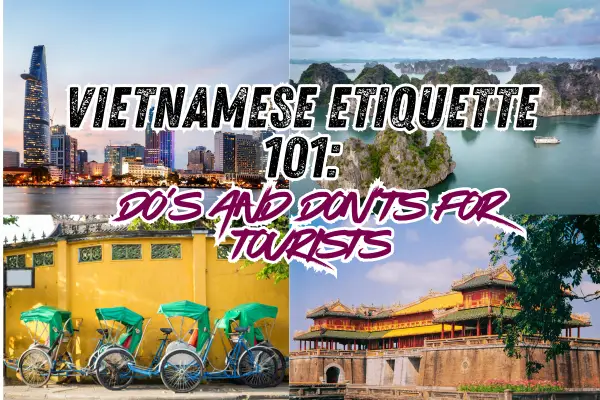
Vietnamese Etiquette 101: Do’s and Don’ts for Tourists
Traveling to Vietnam is not only about exploring beautiful landscapes and delicious street food — it’s also about connecting with people and respecting their traditions. Understanding a few key aspects of Vietnamese etiquette will make your journey smoother, help you avoid awkward situations, and earn you genuine smiles from locals. Here’s a friendly guide to the essential do’s and don’ts for every traveler visiting Vietnam.
🌸 1. Greetings and Communication
Vietnamese people are warm, kind, and polite — but they appreciate modesty and respect in interactions.
✅ Do:
- Greet people with a smile and a slight nod or bow.
- Say “Xin chào” (Hello) and “Cảm ơn” (Thank you).
- Use polite titles like Anh (Mr./older man), Chị (Ms./older woman), Ông (Sir), or Bà (Madam) when speaking.
- Use both hands when giving or receiving something.
❌ Don’t:
- Hug or pat someone on the back or head unless you know them well.
- Raise your voice in public — calmness is highly valued in Vietnamese culture.
💡 Tip: Smiling is universal here — a friendly grin goes a long way even when language barriers exist.
🍜 2. Dining Etiquette
Vietnamese meals are often shared, emphasizing harmony and respect for elders.
✅ Do:
- Wait for the oldest person to start eating before you do.
- Use both hands when passing dishes or pouring tea.
- Try a little of everything offered — it’s polite and appreciated.
❌ Don’t:
- Stick chopsticks upright in your rice bowl — this resembles incense at funerals and is considered bad luck.
- Point or wave chopsticks at others.
- Waste food; take only what you can finish.
💡 Tip: In some family-style restaurants, sharing food is the norm — don’t be shy to join in!
🏯 3. Visiting Temples and Pagodas
Vietnam’s temples and pagodas are sacred spaces, so dress and act respectfully.
✅ Do:
- Wear modest clothing that covers your shoulders and knees.
- Remove shoes, hats, and sunglasses before entering prayer areas.
- Keep your voice low and walk slowly.
❌ Don’t:
- Take photos of altars or monks without asking.
- Display affection such as hugging or kissing inside temples.
💡 Tip: If you’re unsure, simply observe what locals do — and follow their example.
🧍 4. Social Etiquette and Public Behavior
Everyday behavior matters — small gestures show big respect.
✅ Do:
- Remove shoes when entering someone’s home.
- Accept things (like gifts or money) with both hands.
- Thank people with a smile or small bow.
❌ Don’t:
- Touch someone’s head — it’s considered very personal.
- Point your feet toward others or religious objects.
- Show frustration or anger in public; it causes loss of “face.”
💡 Tip: Staying calm and respectful is seen as strength, not weakness.
🎁 5. Gift-Giving and Hospitality
Hospitality is a big part of Vietnamese culture. If invited to a home:
✅ Do:
- Bring a small gift (fruit, sweets, or a souvenir from your country).
- Give and receive gifts with both hands.
- Compliment the host’s food or home — it’s appreciated!
❌ Don’t:
- Offer handkerchiefs or yellow flowers — they’re linked to funerals.
- Open gifts immediately unless the host insists.
🚫 6. Common Cultural Taboos
Some actions might unintentionally offend locals. Keep these in mind:
❌ Don’t touch people’s heads.
❌ Don’t sit with your feet pointing at anyone or a Buddha statue.
❌ Don’t joke about politics or the Vietnam War.
❌ Avoid excessive public affection.
❌ Don’t hand money or items with one hand only.
💡 Tip: When unsure, stay polite, smile, and observe. Vietnamese people are forgiving when they see you’re trying to respect their customs.
🌿 7. Final Thoughts – Travel Respectfully
Understanding and respecting local customs will not only make your trip more enjoyable but also help you form genuine connections with people. Vietnamese culture values harmony, respect, and kindness — qualities that travelers can easily share in return.
So next time you travel to Vietnam, remember: a warm smile, a respectful gesture, and a curious heart will open more doors than words ever could.